Application intake
We ask for vehicle, engine, emission standard, OE number, and usage context before suggesting a path. This protects the buyer from approving an exhaust component that looks similar but carries the wrong coverage assumption.
Bosal service support is built for teams that need to compare catalytic converters, mufflers, exhaust systems, gaskets, and related mounting details without turning every order into a part-number puzzle. The goal is not to overwhelm a buyer with every possible catalog row. The goal is to collect the right application details, surface the match logic, and keep the reason for each recommendation visible to the person who must approve the quote.
When a distributor, repair network, or e-commerce catalog works through an exhaust request, small pieces of missing context can create expensive churn. A vehicle may need an emissions note, an OE cross-reference may have a regional limitation, or an installer may need to know whether a gasket or hanger should be reviewed at the same time. Bosal turns those details into a shared checklist so the team can see what has already been checked and what still needs confirmation.
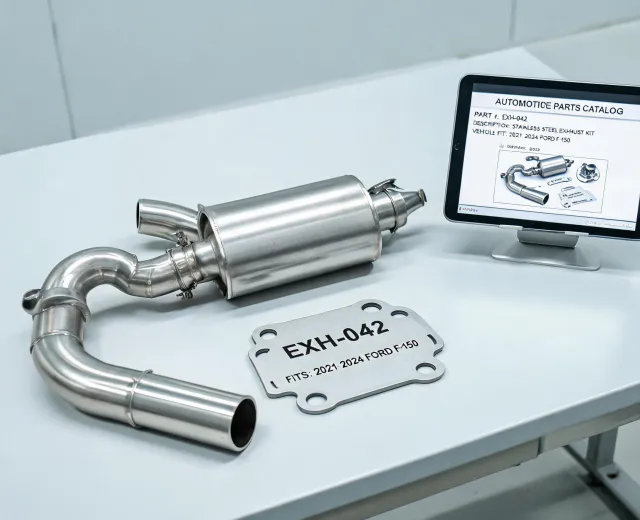
We ask for vehicle, engine, emission standard, OE number, and usage context before suggesting a path. This protects the buyer from approving an exhaust component that looks similar but carries the wrong coverage assumption.
Catalog signals are checked in plain language so service desks, purchasing teams, and warranty reviewers can understand why a converter, muffler, gasket, or hanger was included in the recommendation.
Distributor quotes can include fitment notes, product family boundaries, and quantity planning details. The result is a clearer handoff from catalog lookup to purchase approval.
When a match is uncertain, the uncertainty is called out before the order moves. That honesty helps teams avoid stocking items that create installer frustration or warranty discussions later.
Year, make, model, engine, market, emission note, OE reference, and installation context are the most useful starting points. A photo of the removed part or label can also help when catalog language is incomplete.
Yes. The support flow is designed to keep related exhaust components visible, especially when a buyer wants to reduce missing add-ons or check whether a gasket, hanger, or universal converter option should be considered.
Uncertain coverage is not hidden behind confident wording. The response will explain what needs confirmation, what the current catalog signal supports, and why a buyer may need additional vehicle detail before placing an order.
Requests often arrive as short messages with only a part number, an incomplete vehicle description, or a vague note from a service bay. Teams then spend time asking repeated questions, checking multiple catalog views, and guessing whether the buyer expects a direct-fit item, a universal converter, or a related exhaust accessory. That friction slows quotes and increases the chance that a purchased item comes back.
The same request becomes easier to handle because fitment assumptions are named early. The buyer sees what evidence supports the recommendation, the distributor can attach clearer notes to the quote, and a garage has fewer surprises when the component reaches the vehicle. A careful process is often faster than a rushed selection that creates a return.
Share the exhaust component question, OE reference, and buying context. Bosal will help organize the next fitment step in language your purchasing or service team can use.